Dave and I and Eric would play woofle ball...........on the beach and in front of 64 Baltimore ave..............the woofle ball would sometimes land in the Atlantic Ocean...........and since we were playing at night...........we didn't go after it.....cricket is a lot like baseball...............which is what woofle ball is......................just hollowed out........and plastic.............. Plot [ edit ] Eighteen-year-old Jamal Malik , an Indian Muslim from the Dharavi slum , is a contestant on the Indian version of Who Wants to Be a Millionaire? , and is one question away from the grand prize. However, before the ₹20 million (US$290,000) question, he is detained and tortured by the police, who suspect him of cheating. Through a series of flashbacks , Jamal recounts the incidents in his life that provided him with each answer. Jamal's flashbacks begin when he is five years old. He manages to obtain the autograph of Bollywood ...
Posts
Cupid lyrics..........VA is for lovers.............abstract art..........not art......to some......like rap is not music to some....thus the connection.............made by my polymathic father.... The murder of Christopher Wallace, better known by his stage names "the Notorious B.I.G." and "Biggie Smalls", occurred in the early hours of March 9, 1997 . The hip hop artist was shot four times in a drive-by shooting in Los Angeles, California, one of which was fatal.
My real dad is a Southerner........a ton of great musicians are from the deep South..........athletes as well..............Hershel W.......Bo Jackson.......Brett F...........many others.........Allen I..........Virginia............Charles Haley............Virginia........Mike Vick......Virginia.............the South shall rise again.................it tried......but we stopped them.........it took all i had though....... Elvis Presley Birthplace: Home https://elvispresleybirthplace.com/ Elvis Aaron Presley was born in Tupelo, Mississippi on January 8, 1935 to Vernon and Gladys Presley . Born in a two-room house built by his father, grandfather ... Visit · The Innocence of Elvis · Gift Shop · Gallery
Spin........w to m...................................mor.......to English............full circle..........like Thomas, Washington, and Dupont circles...............Wash DC................................cross the river.........Mississippi...........Wilson blvd to Wash Dc........to Wisconsin ave.......to M street.............SPIN....
Grew up down South.........like Elvis P....................like Biggie Smalls........all very young deaths........ Janis Lyn Joplin was born on January 19, 1943, in Port Arthur, Texas. Breaking new ground for women in rock music, Joplin rose to fame in the late 1960s and became known for her powerful, blues-inspired vocals. Apr 2, 2014 Birth Date: January 19, 1943 Nickname: First Lady of Rock 'n' Roll Death Date: October 4, 1970 Janis Joplin - Songs, Life & Movie - Biography - Biography.com https://www.biography.com/musician/janis-joplin
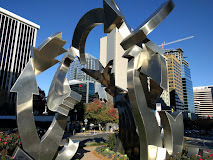
Right next to Cupid artwork..........in front of Target dept store.......on Wilson blvd.........in Roslyn..........skyscrapers..........a mini NYC?? Nashville, TN Tourism and Visitors Guide | Visit Nashville, TN - Music ... https://www.visitmusiccity.com/ Official Nashville , TN Visitor and Tourism website that features discount hotels, attractions, things to do, tickets, event listings and more. Find everything you're ... The First Timer · Things to Do · Nashville Visitors Guide | Visit · Nashville Attractions
The heart of Dixie........the capital of country music Nashville is the capital of the U.S. state of Tennessee and home to Vanderbilt University. Legendary country music venues include the Grand Ole Opry House, home of the famous “Grand Ole Opry” stage and radio show. The Country Music Hall of Fame and Museum and historic Ryman Auditorium are Downtown, as is the District, featuring honky-tonks with live music and the Johnny Cash Museum, celebrating the singer's life.
Hills..........Coit tower on Nobb hill.....San Fran......Cali. Prospect House - 1200 N Nash Street Arlington VA 22209 - Arlington ... https://www.dccondoboutique.com/prospect-house.php Prospect House is an 11-story condominium building located on a hill at 1200 N Nash Street in Arlington , Virginia featuring magnificent views of the DC skyline ...

Rest in peace sister....... Search Results Knowledge Result Janis Joplin - Me & Bobby McGee - YouTube https://www.youtube.com/watch?v=WXV_QjenbDw Lyrics Freedom's just another word for nothin' left to lose Nothin', don't mean nothin' hon' if it ain't free, no no And, feelin' good was easy, Lord, when he sang the blues You know, feelin' good was good enough for me … More Source: LyricFind
Mo clever codes................mor chickens.........more killers............. Digging Up Lee Harvey Oswald - Narratively https://narratively.com/digging-up-lee-harvey-oswald/ Ninety minutes after the world watched Jack Ruby shoot Lee Harvey Oswald , the ... grocery sack, and tucked it in Oswald's abdominal cavity before sending him off ... On a hunch that Oswald would someday be exhumed, he pumped a double ...... little sleep, and a stretch of time when the only food served was fried chicken .
Mor murderers?............less chicken.........oddly enough.........Bruce Williams............my "father"........told me that they pumped Lee H O's stomach.........and he had eaten chicken.. New JFK assassination documents: Lee Harvey Oswald's final hours ... ttps://www.washingtonpost.com/.../jfks-assassin-lee-harvey-oswalds-eerie-calm-the-day... Oct 26, 2017 - Lee Harvey Oswald , suspected assassin of U.S. President John F. Kennedy, holds up his
They couldn't interview.........homeboy........b/c Jack R killed him..... Jack Ruby Kills Lee Harvey Oswald - HISTORY https://www.history.com/topics/us-presidents/jack-ruby-kills-lee-harvey-oswald-video John F. Kennedy's accused slayer, Harvey Lee Oswald , is shot and killed while being escorted by officers.

Were there more murderers? Lee Harvey Oswald Description Lee Harvey Oswald was an American Marxist and former U.S. Marine who assassinated United States President John F. Kennedy on November 22, 1963. Oswald was honorably released from active duty in the Marine Corps into the reserve and defected to the Soviet Union in October 1959 Born : October 18, 1939, New Orleans, LA Died : November 24, 1963, Dallas, TX