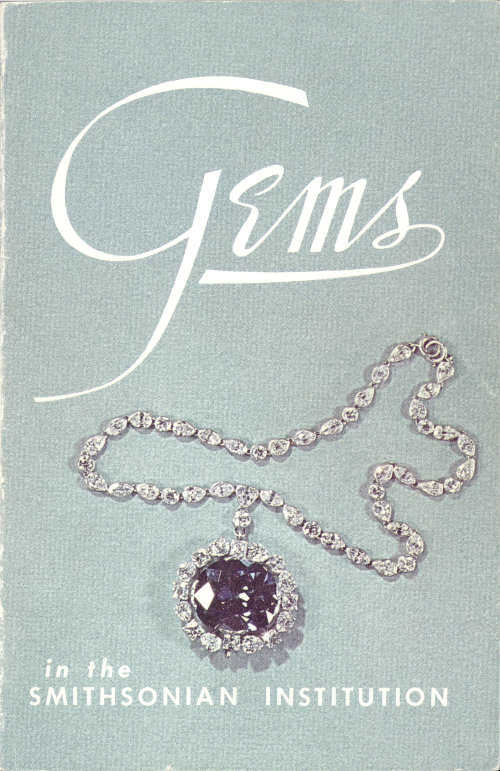
The Taj Mahal, the Mogul emperor, one of the greatest buildings in the world, India....a diamond, a blue one, but where is the missing 67 carrots??
Curses on our country, by the Indians, whom the Americans, and Mexican gov, and Canadian and other governments down clear to Chile, Cape Horn, as well as the numerous European empires before them....destroyed their culture and people......from 1666 India, to the King of France...112 carrots, on the 2nd floor, where is the rest of it?? I know...
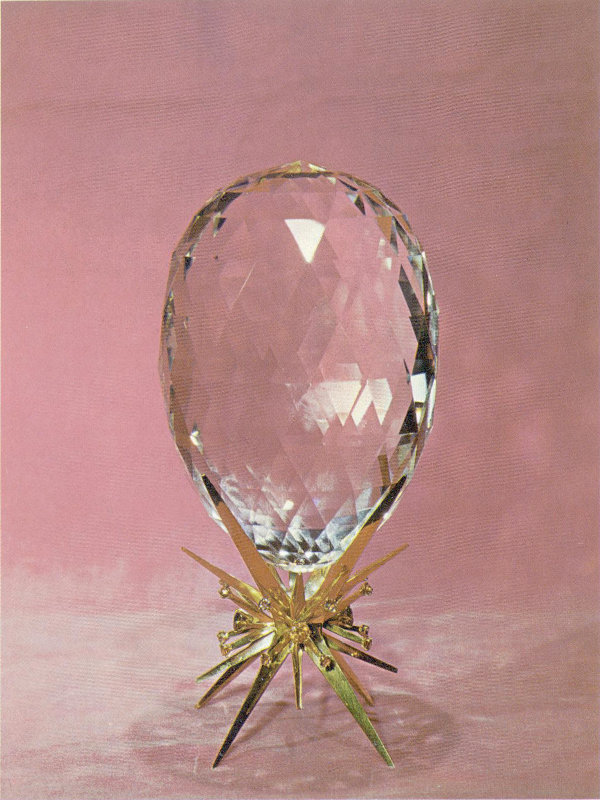
Faceted, egg-shaped, 7000-carat rock crystal from Brazil. The gold stand is inset mostly with Montana sapphires. The gem was cut and the stand was designed and constructed by Capt. John Sinkankas of California. (7¼ inches high in all.)
Gems
in the
SMITHSONIAN
INSTITUTION
by PAUL E. DESAUTELS
Associate Curator
Division of Mineralogy
WASHINGTON, D. C.
1965
SMITHSONIAN
INSTITUTION
PUBLICATION
No. 4608
LIBRARY OF CONGRESS
Card No. 65-60068
CONTENTS
- The National Gem Collection1
- The Study of Gems3
- The Shaping of Gemstones10
- Gem Substitutes20
- Gem Lore24
- The Principal Gem Species27
- Some Notable Gems in the Collection70
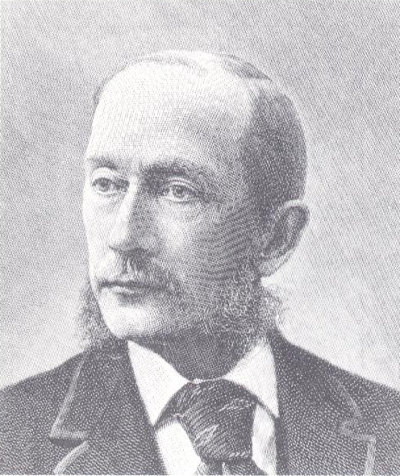
Prof. F. W. Clarke, former honorary curator of the Division of Mineralogy who assembled the Smithsonian Institution’s first gem collection in 1884.
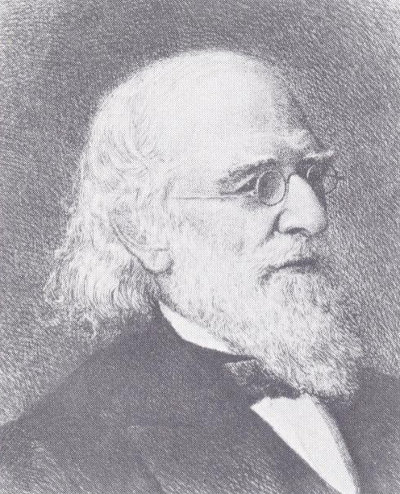
Dr. Isaac Lea, Philadelphia gem collector whose collection was the nucleus around which the Smithsonian Institution’s gem collection has been built through the years.
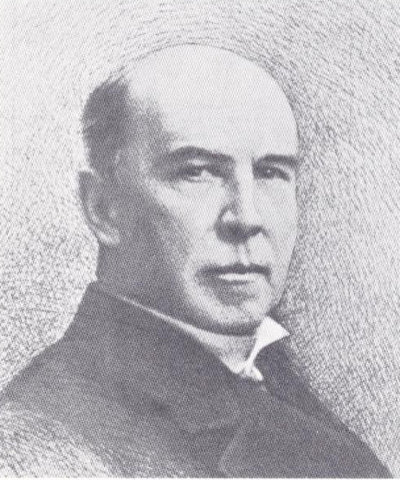
Dr. Leander T. Chamberlain, son-in-law of Dr. Isaac Lea, who became honorary curator of the Smithsonian Institution’s gem collection in 1897. Income from his bequest is used to purchase gems for the Isaac Lea gem collection.


Comments
Post a Comment